
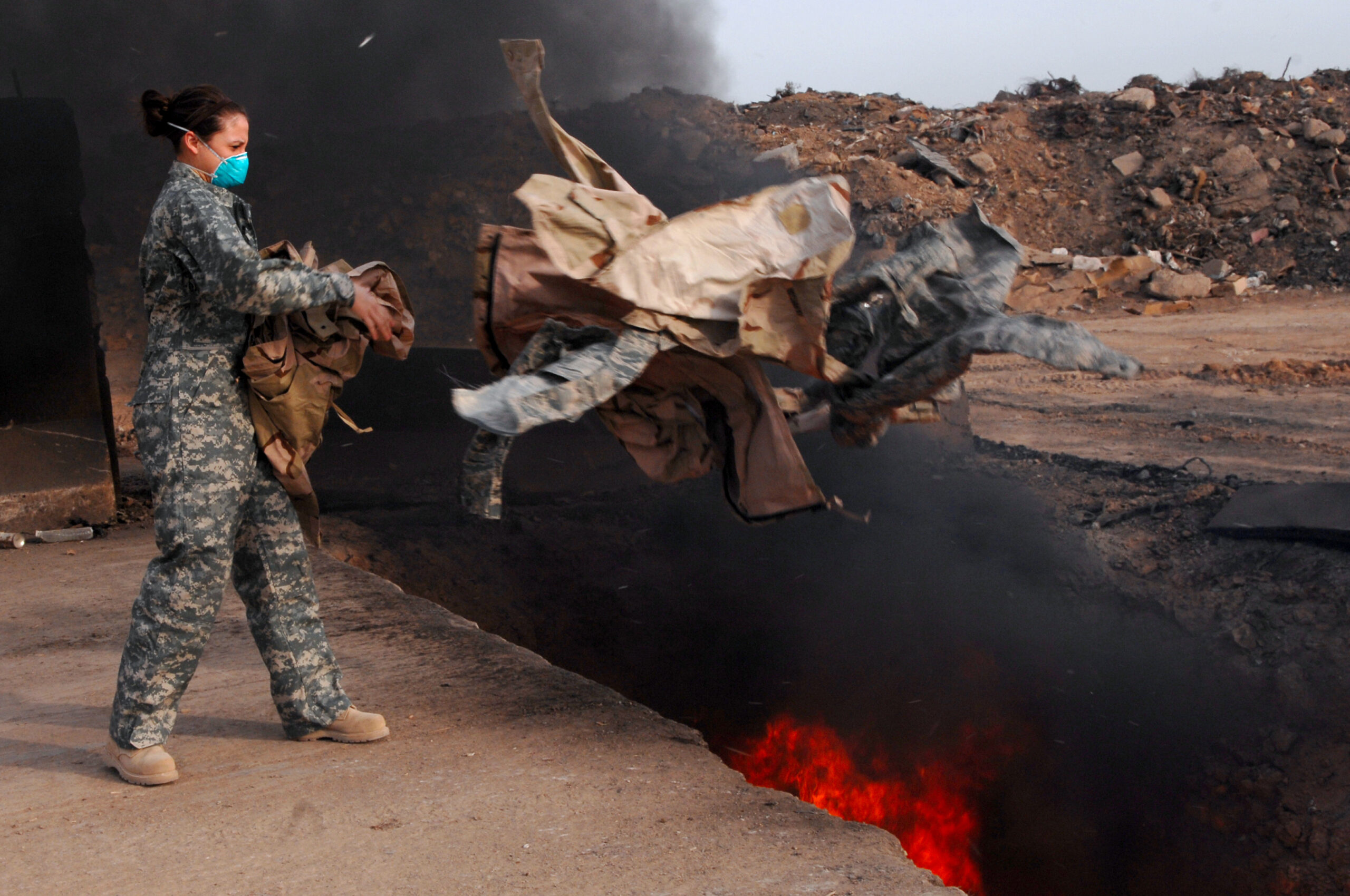
A new letter in JAMA Internal Medicine from Dr. Kari Nadeau and other researchers at Harvard T.H. Chan School of Public Health, Harvard Medical School, and Stony Brook University, offers insights into the possible health impacts of the LA wildfires based on the lessons learned from exposures to military burn pits.
“Although there are differences, the military’s experience with burn pits—large open-air pits used to dispose of waste in conflict zones—offers a cautionary tale about the long-term health effects of exposure to toxic smoke.”
Several initial steps learned from the military burn pit experience can help mitigate the long-term impacts of the LA WUI fires on both the public and public safety professionals. The letter offers these recommendations:
- First and most immediate: launch an awareness and education campaign for the public and health care professionals. The campaign would focus on the potential long-term health risks of WUI smoke and promote protective measures, such as using N95 masks and air purifiers to mitigate exposure when risk is elevated. For example, AirNow5 is an existing resource that allows individuals to assess real-time air quality data based on a specific location in the US.
- Leaders should commit to creating toxic exposure registries like the VA’s Burn Pit Registry to help track health outcomes in populations exposed to wildfire smoke and facilitate research and target interventions.
- Specific training for clinicians to screen, test for, and treat complications is critical. The US Environmental Protection Agency has existing resources online, but they would benefit from further development of materials relevant to WUI fires.
- Finally, advocating for policies that address environmental health risks, improve air quality management, and support affected populations, particularly those with inadequate health insurance, is essential for long-term public health.