

The LA Fire HEALTH Study consortium includes important research from scientists at our partner universities to understand the health impacts of urban wildfires like the ones that impacted Palisades and Altadena communities in January 2025.
In addition, the Study has created a Community Advisory Board (CAB) made up of residents of the Palisades and Altadena neighborhoods that were impacted by the fire.
Goals
The goal of this community advisory board is twofold:
- To understand the concerns, questions, assets, and communication preferences of the impacted communities.
- To learn best practices for community communication on the health impacts of wildfires and how to reduce toxic exposures, particularly in culturally, socioeconomically, and linguistically diverse groups.
About the CAB
The LA Fire HEALTH Community Advisory Board comprises residents of the Palisades and Altadena neighborhoods, as well as community-based organizations serving fire-affected populations. We have recruited board members from high-risk communities in Los Angeles who are receiving training on the health impacts of wildfires and who will assist in developing a lay language wildfire health communications toolkit, including future developments of graphic design and culturally relevant illustrations, that address community concerns and information gaps, with a focus on reaching populations with limited resources and English proficiency.
The work of the CAB aims to address the need for clear, actionable information about urban wildfires. Having this information available will help the community respond quickly and safely to future wildfires, which have become a frequent occurrence in California in recent years due to climate change, resulting in periods of extreme rainfall followed by periods of extreme drought, leading to conditions favorable for wildfires.
Community education on the health impacts of wildfires has been shown to improve preparedness, foster health-promoting and preventive behaviors, and support awareness of the mental health impacts to support recovery. Community education for culturally and linguistically diverse groups is critical, as they are less likely to receive or understand emergency messaging. In addition to future sessions, the team at UCLA, working on the community advisory board and associate curriculum, hopes to develop materials further and translate them into multiple languages.
The team is led by UCLA team members: Dr. Katherine McNamara, Dr. Savanna Carson, and Dr. Arleen Brown.
CAB Meetings
The first CAB meeting included important explanations about what is found in smoke, what we know and what we don’t know about the health impacts of wildfires, vulnerable populations, and how to reduce exposures through various actions. The second CAB meeting focused on air pollution, including how to measure air pollution during wildfires, airborne metals, and early results from the LA fires and the LA FIRE HEALTH study and others on air quality, health outcomes, and indoor and outdoor air quality (metals, VOCs, etc.). Key takeaways help illustrate the main points of the talks. Throughout these sessions, we’ve received critical feedback on the need for community education, the diversity of fire experiences, losses, vulnerability, and exposures, as well as the importance of sharing health information about wildfires in a way that the community can understand.


Future meetings will delve more deeply into the LA Fire HEALTH Data Briefs that shared measurements and preliminary findings from the air quality and in-home testing that the consortium has conducted over the last 5 months in the Palisades and Altadena areas.
As with many public health resources, the ideal situation would be to never have to use these tools. But the hope is that the resources will help communities be prepared to respond quickly if and when another wildfire strikes.
Resources for the Community
-
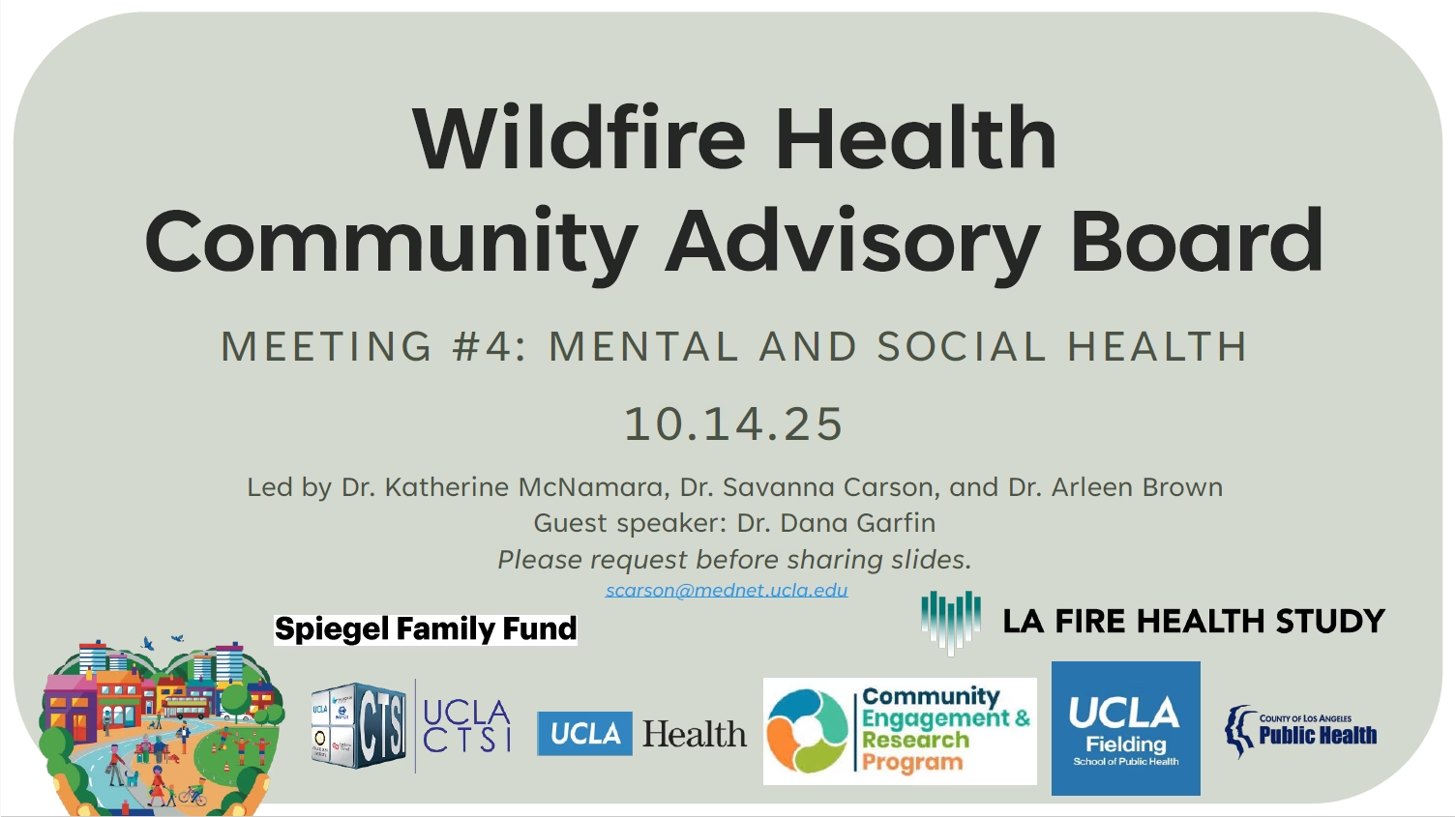
CAB Session #4 Slides
This Wildfire Health Community Advisory Board curriculum was developed by the LA Fire HEALTH Study team to help share clear, actionable information about urban wildfires with affected communities. The 4th session of the CAB focused on Mental and Social Health in communities following the fires. The session was led by Dr. Katherine McNamara, Dr. Savanna…
-
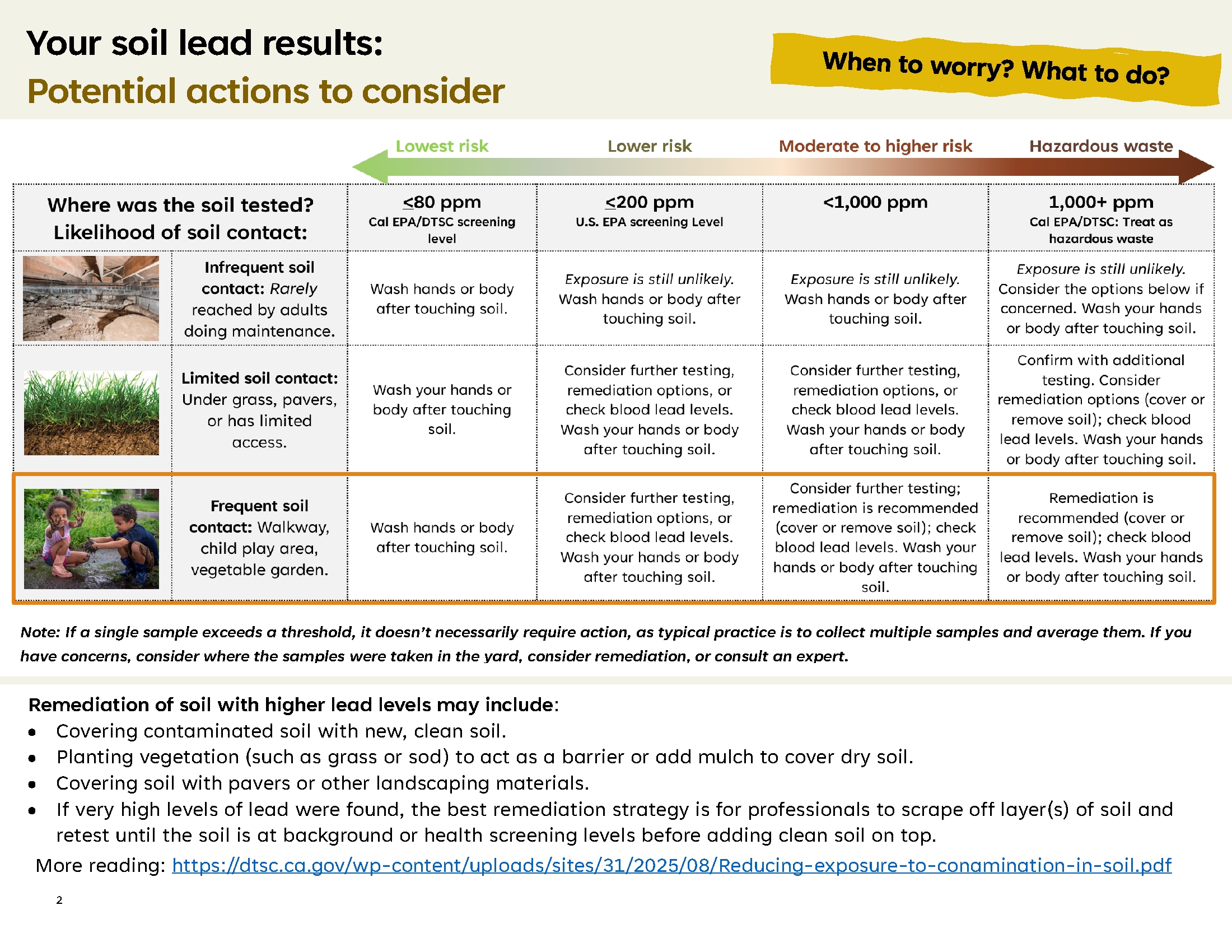
Lead in Soil Found After the LA Fires: The Basics
This handout provides a great summary of what we know about lead in the soil in fire-impacted communities in Altadena and Palisades. The handout was developed in collaboration, and/or reviewed by with: LA County Department of Public Health, Soils working team for the LA Fires of LA County Department of Public Health, the CA Department…
-

CAB Session #3 Slides
This Wildfire Health Community Advisory Board curriculum was developed by the LA Fire HEALTH Study team to help share clear, actionable information about urban wildfires with affected communities. The 3rd meeting of the CAB included information about lead and other toxins in dust and soil, how lead can effect your health, and strategies for preventing…
-

CAB Session #2 Slides
The second CAB meeting focused on air pollution, including how to measure air pollution during wildfires, airborne metals, and early results from the LA fires and the LA FIRE HEALTH study and others on air quality, health outcomes, and indoor and outdoor air quality (metals, VOCs, etc.). Key takeaways help illustrate the main points of…
-

CAB Session #1 Slides
The first CAB meeting includes important explanations about what is found in smoke, what we know and what we don’t know about the health impacts of wildfires, vulnerable populations, and how to reduce exposures through various actions.