
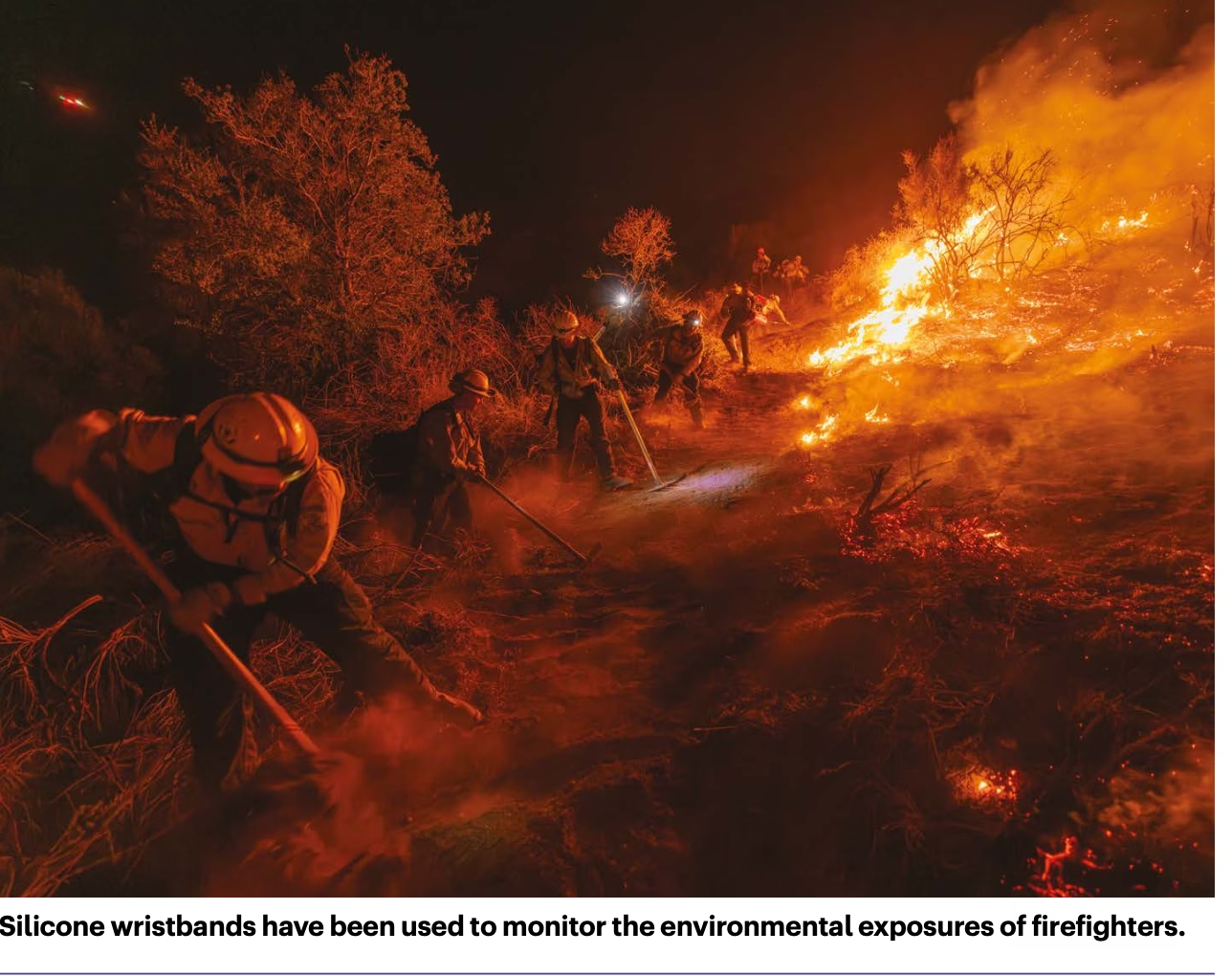
Wearables (such as smart watches, rings, and glasses) already allow users to track their heart rates, sleep data, and other key biometrics. But a new field of research called “exposomics” envisions the use of wearables to monitor environmental exposures in real-time in order to understand a individual’s personal diseases risk. A new article in Nature takes a look at some of these applications, including researchers from the LA Fire HEALTH Study who are using wearables to measure firefighter’s exposures and investigate their health impacts over time:
When it comes to collecting real-time data on exposure to PFAS or other toxic chemicals, wearables are rising in prominence. One is a silicone wristband developed by researchers at Oregon State University in Corvallis that passively absorbs hundreds of airborne chemicals. In 2014, a team at the university described a way to extract 49 chemicals from the wristbands6; the list now includes more than 1,500 compounds, including pesticides, personal-care products and organic contaminants in wildfire smoke.
In response to widespread fires in Los Angeles last year, Kari Nadeau, an exposomics researcher at the Harvard T.H. Chan School of Public Health in Boston, and her colleagues used these wristbands to help monitor the environmental exposures of firefighters. Her team also analysed the proteins, RNA, cells and chemicals in firefighters’ blood and found that those who had tackled urban fires had higher lead and mercury levels than did those who had fought forest fires. They are now working with the Los Angeles fire department on a long-term health-outcomes study to try to help prevent, track and treat disease, she adds.
Leave a Reply